Expert Care for Your Musculoskeletal Health
Dr. Yasmeh specializes in a range of musculoskeletal treatments and orthopedic surgeries. Our mission is to provide compassionate care tailored to your needs, ensuring you’re informed and comfortable throughout your journey to recovery.
Understanding Orthopedic and Musculoskeletal Conditions
We specialize in diagnosing and treating a wide range of orthopedic and musculoskeletal conditions, including arthritis, fractures, joint pain, and other mobility-related disorders. Our comprehensive approach focuses on both symptoms and root causes, with treatment options tailored to your individual needs. The sections below provide clear overviews of common conditions and offer links to additional resources so you can better understand your options and take informed steps toward improved mobility and overall well-being.
Cervical Disc Herniation
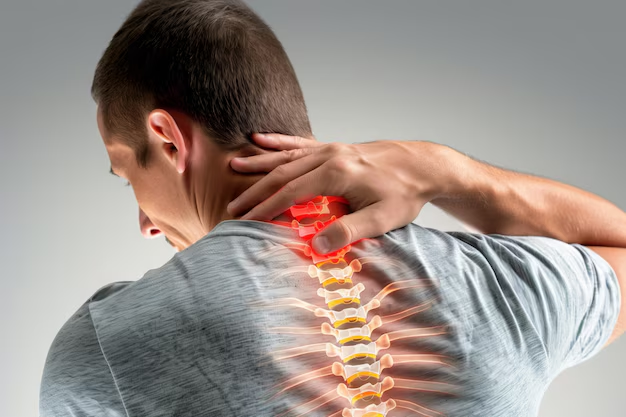
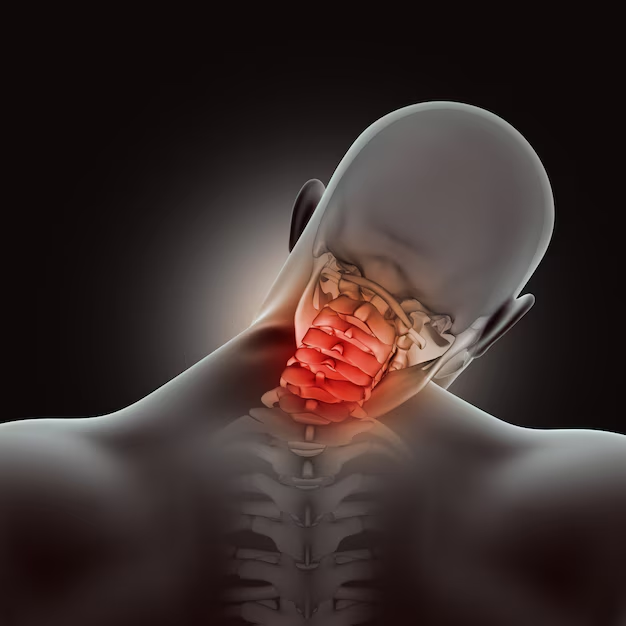
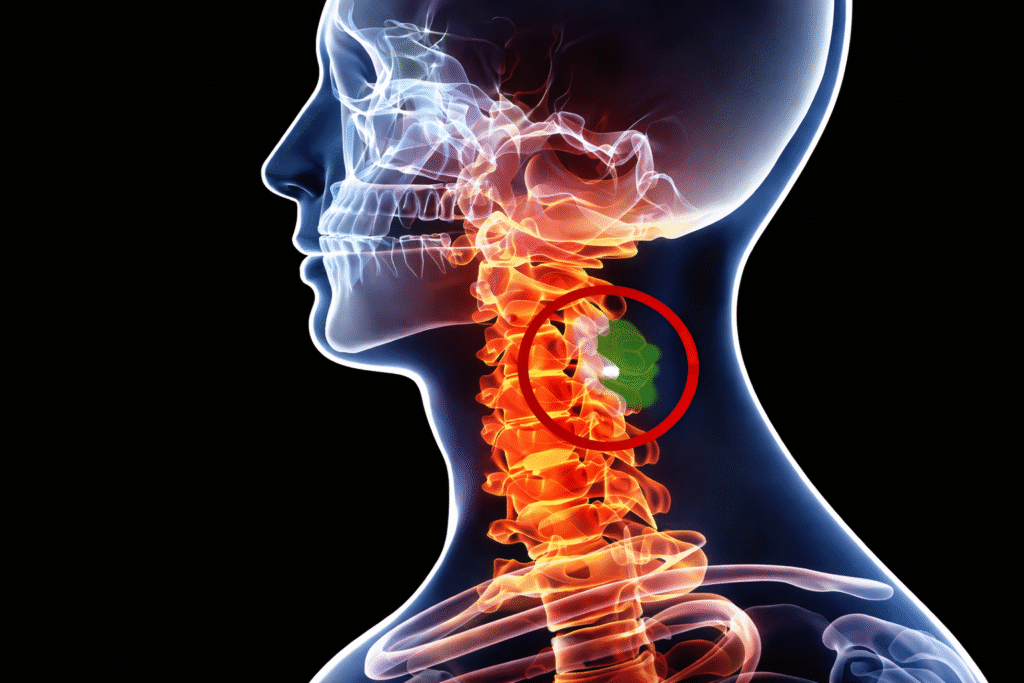
A cervical disc herniation occurs when part of a disc in the neck presses on a spinal nerve or the spinal cord. This can cause neck pain that radiates into the shoulders, arms, or hands, along with numbness, tingling, or weakness. Some patients may also experience reduced grip strength or coordination.
Cervical Stenosis
Cervical stenosis is a condition in which the spinal canal or nerve openings in the neck narrow over time. This narrowing can compress nerves or the spinal cord, leading to neck pain, stiffness, numbness or tingling in the arms or hands, weakness, and difficulty with coordination or daily activities.
Cervical Myelopathy
Cervical myelopathy occurs when the spinal cord becomes compressed in the neck and is considered a serious, progressive condition. Symptoms may include difficulty walking, balance problems, weakness in the arms or legs, loss of fine motor skills, and, in advanced cases, bowel or bladder changes.

Thoracic Stenosis
Thoracic stenosis is a narrowing of the spinal canal in the mid-back that can place pressure on the spinal cord or nerves. Symptoms may include mid-back pain, stiffness, numbness or tingling, weakness, and changes in balance or coordination.
Lumbar Stenosis
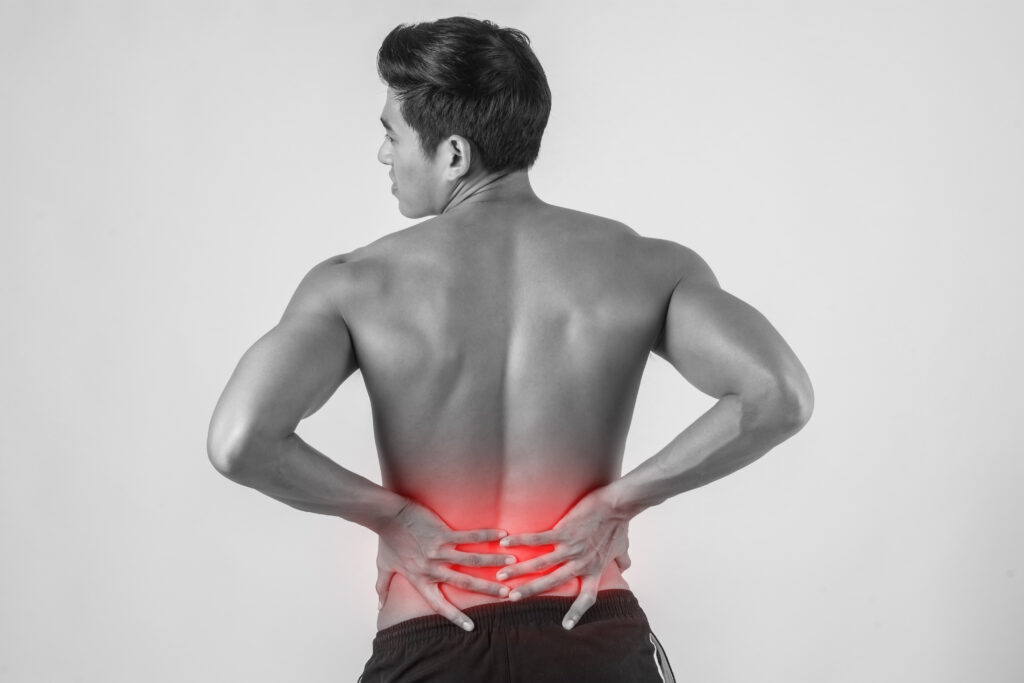
Lumbar stenosis occurs when the spinal canal or nerve passageways in the lower back narrow. This commonly causes lower back pain, numbness or tingling in the legs, leg weakness, and difficulty walking or standing for long periods. Symptoms often improve when sitting or bending forward.
Lumbar Disc Herniation
A lumbar disc herniation happens when a disc in the lower back presses on one or more spinal nerves. Patients often experience lower back pain that radiates down the leg (sciatica), along with numbness, tingling, muscle weakness, or reduced reflexes in the legs or feet.
Scoliosis and Spinal Deformity
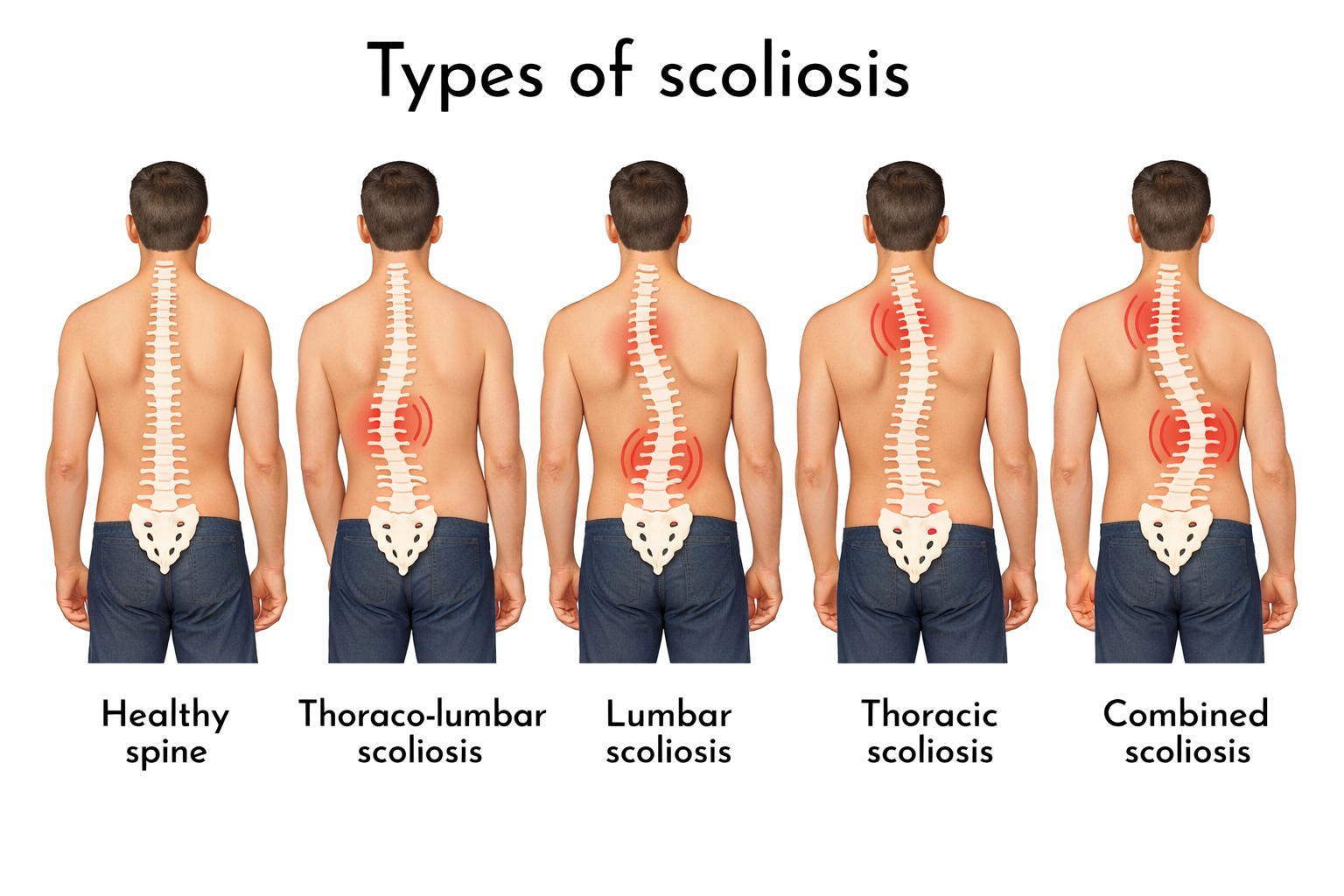
Scoliosis and spinal deformity refer to abnormal curvature or alignment of the spine. These conditions can affect posture and balance and may lead to chronic back pain, nerve compression, reduced mobility, weakness, and loss of function over time.
Spinal Tumors
Spinal tumors involve abnormal growths in or around the spinal column or spinal nerves. These growths can compress nerves or the spinal cord, causing back pain, neurological symptoms, spinal instability, weakness, and loss of function.
Spinal Trauma
Spinal trauma refers to injuries of the spinal column or spinal nerves caused by accidents, falls, or sports injuries. These injuries can affect spinal stability and neurological function, leading to pain, numbness, weakness, or paralysis depending on the severity.
Cervical Radiculopathy
Cervical radiculopathy occurs when a nerve in the neck becomes irritated or compressed, often from a disc herniation or arthritis. Symptoms may include pain traveling into the shoulder or arm, along with numbness, tingling, or weakness in the hand or fingers.
Thoracic Radiculopathy
Thoracic radiculopathy is caused by irritation or compression of a nerve in the mid-back. It may create sharp, burning, or band-like pain that wraps around the chest or rib cage and can sometimes cause numbness or tingling along the torso.
Lumbar Radiculopathy / Sciatica
Lumbar radiculopathy, commonly called sciatica, happens when a nerve in the lower back is compressed or inflamed. It typically causes pain that travels down the leg and may be accompanied by numbness, tingling, weakness, or difficulty standing or walking comfortably.
Foraminal Narrowing
Foraminal narrowing occurs when the openings where spinal nerves exit the spine become smaller. This narrowing can place pressure on nearby nerves, leading to radiating pain, numbness, tingling, or weakness depending on the affected spinal level.
Failed Back Surgery Syndrome refers to persistent or recurring pain after spine surgery. It may result from scar tissue, ongoing nerve irritation, or underlying spinal problems that were not fully resolved, often requiring careful evaluation and individualized treatment.
Degenerative Disc Disease
A condition where spinal discs gradually wear down over time, losing flexibility and height. This can cause chronic neck or back pain, stiffness, and sometimes nerve irritation if discs bulge or collapse.
Facet Joint Syndrome
Inflammation or arthritis of the small joints that connect and stabilize the vertebrae. It commonly causes localized spine pain that worsens with twisting, standing, or leaning backward, and may limit normal movement.
Spinal Arthritis (Spondylosis)
Age-related wear-and-tear changes affecting spinal discs and joints. These changes can lead to stiffness, bone spur formation, and narrowing around nerves or the spinal cord that may cause pain or neurologic symptoms.
Spinal Cord Compression
A condition where pressure on the spinal cord interferes with nerve signals. Symptoms may include weakness, balance difficulty, coordination problems, numbness, or hand clumsiness and typically requires prompt medical evaluation.