Do I Need Back Surgery?
Most back pain does not require surgery. The goal is to identify when symptoms are coming from nerve compression, instability, or spinal cord involvement — and when targeted treatment (often non-surgical) is the best next step.
Usually Not Surgery
- Muscle strain or mechanical back pain
- Flare-ups that improve over days to weeks
- Back pain without leg pain or neurologic symptoms
- Symptoms responding to PT and medication
When Surgery Is Considered
- Persistent nerve pain (sciatica)
- Progressive weakness or numbness
- Spinal stenosis affecting walking
- Spinal instability or deformity
Do I Need Back Surgery?
The real question isn’t “Do I have back pain?” It’s “What’s causing it?” Surgery is typically considered when symptoms are caused by a structural problem — like nerve compression, spinal stenosis, or instability — and conservative care hasn’t worked.
If your pain is mostly in the back without leg symptoms, surgery is often not the first or best option. When pain travels into the leg (sciatica) or walking becomes difficult due to stenosis, surgery may become appropriate.
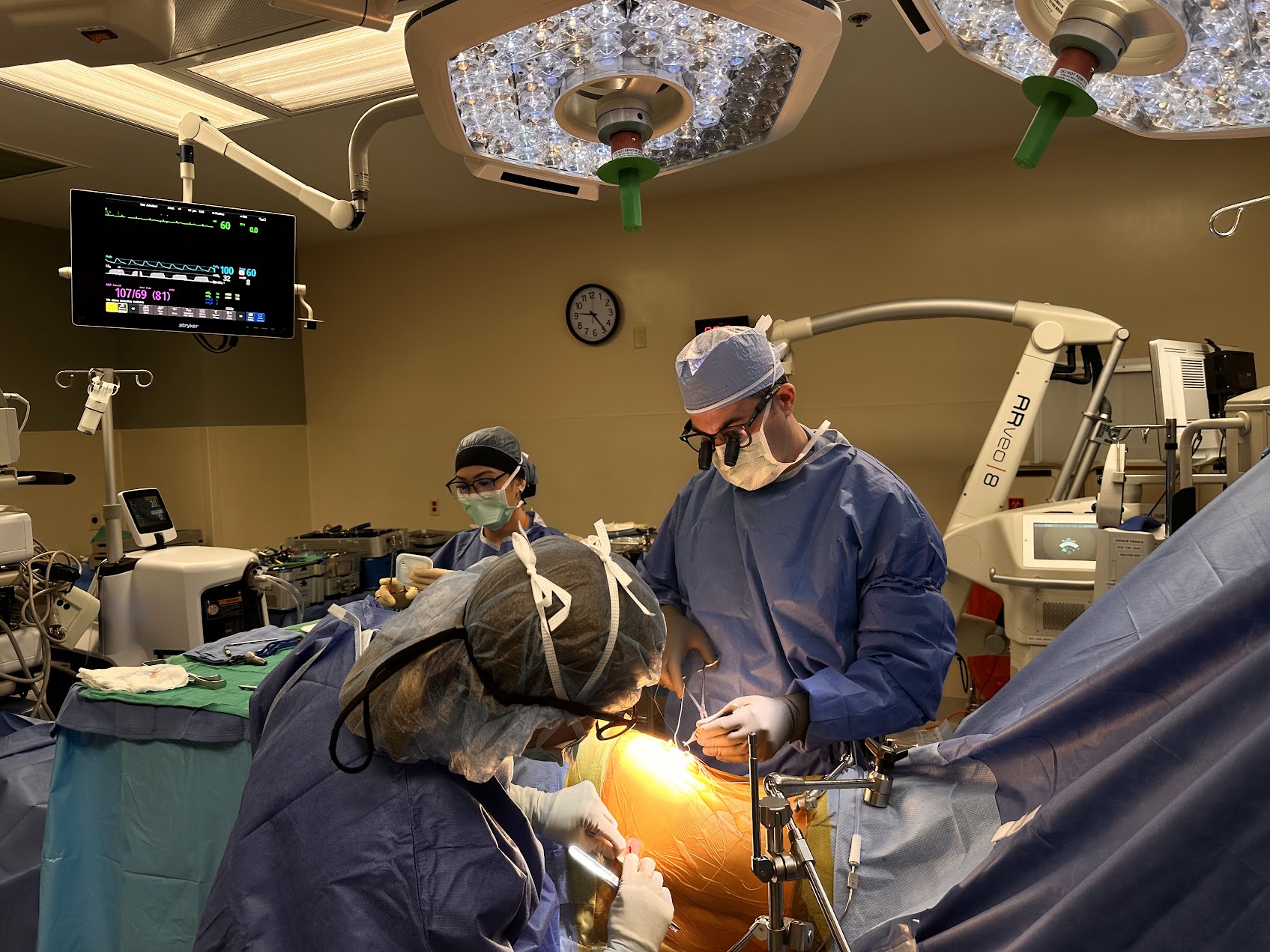
Back pain can have multiple causes. The key is matching treatment to the correct diagnosis.
Signs You Might Need Back Surgery
Surgery is typically considered when symptoms are driven by nerve or spinal canal compression, instability, or deformity — especially when they persist despite appropriate non-surgical care.
Persistent Sciatica
- Leg pain worse than back pain
- Pain radiating below the knee
- Numbness or tingling in the foot
- Not improving after conservative treatment
Weakness or Neurologic Deficits
- Foot drop
- Worsening weakness
- Loss of reflexes or sensation
- Progressive symptoms over time
Stenosis Limiting Walking
- Leg heaviness with walking
- Improves when bending forward
- Cramping in legs (claudication)
- Reduced walking distance
When Surgery Is NOT Usually Needed
Many cases of back pain improve with time and conservative care. Surgery is not typically recommended for routine back pain without nerve compression.
Common Non-Surgical Back Pain
- Muscle strain or mechanical pain
- Posture-related pain
- Stiffness without leg symptoms
- Flare-ups that improve over weeks
Better First Options
- Physical therapy and strengthening
- Anti-inflammatory medications (as appropriate)
- Activity modification and ergonomics
- Targeted injections in selected cases
Red Flags That Need Urgent Evaluation
- New bowel or bladder changes
- Saddle numbness (numbness in the groin area)
- Rapidly worsening weakness
- Severe pain after major trauma
- Fever/chills with back pain or unexplained weight loss
How We Determine If Surgery Is Needed
Surgery decisions should never be based on MRI findings alone. The correct approach is matching symptoms + exam + imaging to identify the true pain generator.
Focused Exam
- Strength, sensation, reflex testing
- Gait and balance assessment
- Provocative nerve testing
Imaging
- MRI for discs, nerves, stenosis
- X-rays for alignment and stability
- CT in selected cases
Targeted Diagnostics
- Injections to confirm pain source (selected cases)
- EMG/NCS when needed
- Review of response to prior therapy
Treatment Options Before Surgery
Most patients should start with non-surgical care unless urgent neurologic issues are present. The goal is to reduce inflammation, improve mechanics, and restore function.
Non-Surgical Options
- Physical therapy (core, hip, posture, mobility)
- Anti-inflammatory medications (as appropriate)
- Activity modification and ergonomic changes
- Targeted injections (epidural, selective nerve root, facet)
- Guided home exercise program
When Non-Surgical Care Isn’t Enough
- Pain persists beyond a reasonable timeline
- Leg symptoms continue to limit function
- Progressive weakness or neurologic deficits
- Stenosis affects walking and quality of life
Minimally Invasive Spine Surgery
Common Procedures (When Surgery Is Appropriate)
The right procedure depends on the diagnosis. The goal is to fix the problem causing symptoms — not to “operate on the MRI.”
Lumbar Laminectomy
Decompresses nerves by creating more space in the spinal canal (often for stenosis).
Learn MoreSpinal Fusion
Stabilizes the spine in cases of instability, deformity, or certain degenerative problems.
Learn MoreSurgeon Expertise Matters
The best outcomes come from the right diagnosis and the right operation — and not over-treating problems that don’t need surgery.
What You Want in a Spine Evaluation
- Clear explanation of what’s causing symptoms
- Non-surgical plan when appropriate
- Surgical plan only when it truly matches the problem
- Realistic expectations about recovery
Dr. Yasmeh’s Approach
- Diagnosis-driven treatment planning
- Minimally invasive options when appropriate
- Advanced surgical navigation technology when indicated
- Clear plan for recovery and return to activity
What To Do Next
If you’re unsure whether you need surgery, the next step is a focused evaluation to match your symptoms with the correct diagnosis and treatment plan.
Bring This To Your Visit
- List of symptoms + timeline
- Prior PT, injections, medications tried
- Any MRI/CT reports (or images if available)
- Questions about goals and activity level
Good Questions To Ask
- What diagnosis best explains my symptoms?
- What happens if I don’t do surgery right now?
- Which non-surgical options still make sense?
- If surgery is recommended, why this procedure?
FAQ
Does an MRI automatically mean I need surgery?
No. Many people have disc bulges or degeneration without needing surgery. Surgery decisions should be based on symptoms, exam, and imaging together.
When should I consider surgery for sciatica?
If leg pain is severe or persistent, or if weakness is progressing and imaging confirms nerve compression, surgery may be appropriate.
What if I only have low back pain without leg symptoms?
Surgery is less likely to help when pain is only in the back without nerve symptoms. Most cases do best with conservative care and targeted rehab.